Table Of Contents
Understanding the Hair Transplant Procedure
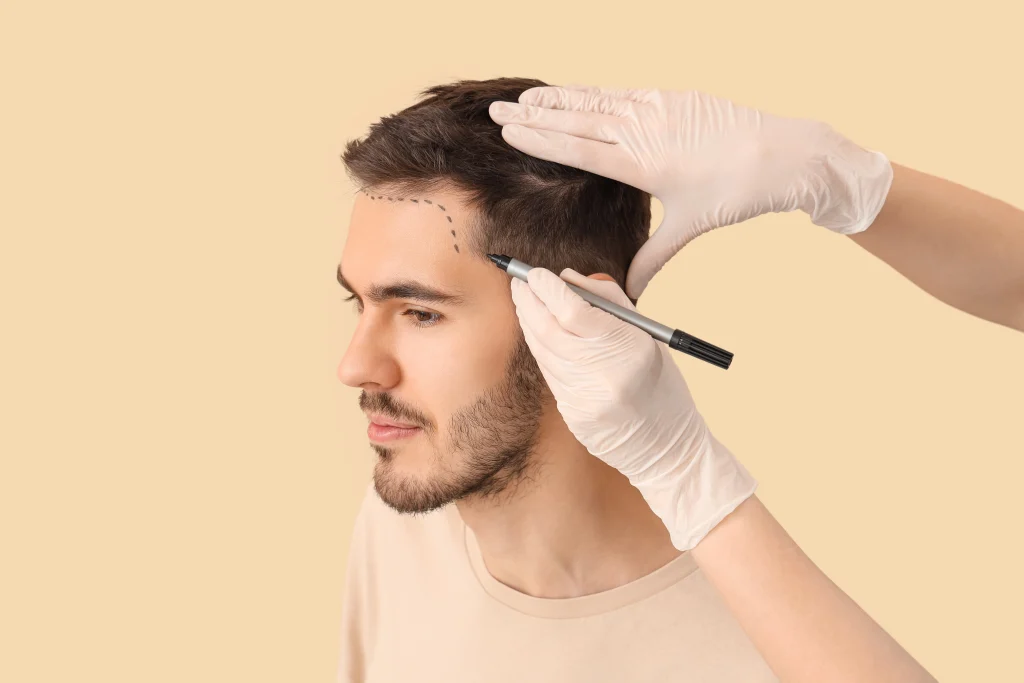
Before scheduling surgery, you need to understand exactly what happens during a hair transplant procedure. This isn’t a simple cosmetic treatment – it’s a surgical intervention that moves living hair follicles from one part of your scalp to another. The process typically takes 4-8 hours, depending on how many hair grafts are being transplanted.
During the procedure, you’ll be awake but numbed with local anesthesia. Your surgeon will harvest healthy hair follicles from a donor area (usually the back or sides of your head where hair is more resistant to balding) and carefully implant them into areas experiencing hair loss. While this might sound straightforward, the precision required is immense. Each follicle must be placed at the correct angle and depth to ensure natural-looking hair growth.
Choosing Between Follicular Unit Transplantation (FUT) and Follicular Unit Extraction (FUE)
Two primary techniques dominate modern hair restoration: follicular unit transplantation (FUT) and follicular unit extraction (FUE). Understanding the difference between these methods is crucial for making an informed decision.
- Follicular unit transplantation involves removing a strip of scalp from the donor area, from which individual follicular units are dissected under microscopes. This method allows harvesting a large number of grafts in a single session and is often more cost-effective. However, it does leave a linear scar at the donor site, which may be visible with very short hairstyles.
- Follicular unit extraction, on the other hand, involves extracting individual follicular units directly from the scalp using tiny punch tools. This technique doesn’t leave a linear scar, offers a faster recovery time, and allows patients to wear their hair very short. The trade-off is that FUE typically takes longer, may
Selecting Your Hair Transplant Surgeon
Perhaps the most critical decision you’ll make is choosing your hair transplant surgeon. This choice will directly impact your results, safety, and overall experience. Don’t let cost be your primary deciding factor – your appearance and health are at stake.
- Look for a surgeon with specific training and extensive experience in hair restoration procedures. Ask to see before-and-after photos of previous patients with similar hair loss patterns to yours. Read reviews, but also request to speak with former patients if possible.
- During your consultation, pay attention to how the surgeon communicates. Do they listen to your concerns? Do they provide realistic expectations rather than making exaggerated promises? A reputable surgeon will be honest about what can and cannot be achieved based on your individual situation, including the quality of your donor hair, the extent of your hair loss, and your age.
Preparing Your Body and Mind for Hair Restoration
The weeks before your surgery require specific preparation. Your surgeon will provide detailed instructions, but here are some universal guidelines.
Medication Control
First, avoid certain medications and supplements that can increase bleeding risk. These typically include aspirin, ibuprofen, vitamin E, and fish oil. Stop taking these at least two weeks before surgery unless your doctor advises otherwise. If you’re on prescription blood thinners, consult with both your prescribing physician and your hair transplant surgeon about how to proceed safely.
Avoid Drinking Alcohol
Don’t drink alcohol for at least three days before your procedure. Alcohol thins your blood, which can lead to excessive bleeding during surgery and potentially compromise the survival rate of your hair grafts. It can also interfere with anesthesia and medications used during the procedure.
Avoid Smoking
If you smoke, you’ll need to quit at least two weeks before surgery – and ideally, you’ll stay smoke-free afterward. Smoking constricts blood vessels, reducing blood flow to your scalp and significantly decreasing the survival rate of transplanted hair follicles. Studies show that smokers have notably worse outcomes in hair transplantation.
What Happens to Your Hair Follicles During Surgery
Understanding what your hair follicles endure during transplantation can help you appreciate why pre-op preparation matters so much. When follicles are harvested, they’re temporarily deprived of their blood supply. During this vulnerable period – which surgeons work to minimize – the follicles must survive on stored nutrients and oxygen.
This is why your overall health matters. Good circulation, proper hydration, and optimal nutrition in the weeks before surgery give your hair follicles the best chance of surviving the transplantation process. Your surgeon’s skill in minimizing the time follicles spend outside the body is equally crucial, which is another reason why choosing an experienced surgeon is paramount.
Maximizing Your Hair Growth Potential Post-Surgery
While this checklist focuses on pre-operative preparation, understanding post-operative hair growth timelines helps set appropriate expectations.
- Transplanteypically shed within 2-3 weeks after surgery – this is completely normal and expected.
- New hair growth usually begins around 3-4 months post-surgery, with noticeable results visible by six months.
- Full results generally take 12-18 months to materialize.
This timeline requires patience, which is why mental preparation is as important as physical preparation. If you’re expecting immediate results, you’ll be disappointed and anxious throughout the recovery process.
Creating Your Personal Pre-Op Checklist
Beyond the medical preparations, practical planning will reduce stress and improve your experience.
- Arrange for someone to drive you home after the procedure, as you’ll likely be given sedatives and shouldn’t drive yourself.
- Prepare your recovery space at home with plenty of pillows to keep your head elevated, entertainment options since you’ll need to rest, and easy-to-prepare meals.
- Stock up on prescribed medications and any recommended post-operative care products before surgery day.
- Wash your hair the morning of your procedure with a gentle shampoo – your surgeon will provide specific instructions.
- Wear comfortable, button-up clothing to your appointment so you won’t need to pull anything over your head afterward.
- Make sure you understand and have documented all pre-operative restrictions regarding food, drinks, and medications.
- Confirm your appointment time and location, and don’t hesitate to call your surgeon’s office if you have any last-minute questions.
Final Thoughts on Using Hair Grafts to Address Hair Loss
Preparing your first hair transplant checklist makes a significant difference in your outcome and recovery experience. Most patients who achieve natural-looking results with excellent hair density do so because they carefully followed pre-operative instructions in the weeks prior to their surgical procedure.
Whether you’re addressing male-pattern baldness or other types of extensive hair loss, understanding that this medical procedure requires patience is essential – hair growth typically begins around 2-3 months post-surgery as new hair shafts emerge and integrate into your natural hair growth cycle. During your initial consultation, your surgeon with a proven track record will assess both donor and recipient areas, determine the number of grafts required to meet your hair restoration goals, and explain how the healing process promotes hair regrowth while achieving minimal scarring, whether through the thin strip method or individual extraction.
The days leading up to your procedure require specific attention: avoid anti-inflammatory medications and blood-thinning medications, stop using certain hair products, refrain from heavy lifting, and use only mild shampoo for your hair wash. In the week following surgery, transplanted grafts need careful protection to prevent infection and promote healing – many patients find that recovery timelines vary depending on their medical history, the extent of grafts transplanted, and how well they follow post-operative care. Remember that when hair begins to shed initially, this is a normal part of the hair growth cycle, and your native hair will continue growing alongside the transplanted areas.
After several weeks, you can gradually resume light exercise, though specific restrictions last about one week for most activities. While potential complications are rare, discussing your complete medical history helps your surgeon anticipate any issues. Ultimately, hair transplant surgery offers a permanent solution for those seeking to restore their hair density and confidence, making the preparation and recovery period a worthwhile investment in achieving your hair restoration goals.
with New Hair ?