
Table Of Contents
What Is a Hair Transplant?
A hair transplant is a surgical approach to hair restoration that relocates hair follicles from a donor area (often the back and sides of the scalp) to areas where hair is thinning. The goal is long-term coverage using your own growing hair. Safety and results depend heavily on careful candidate selection, realistic planning, and precise handling of grafts.
How Does a Hair Transplant Work?
At a high level, hair transplantation involves harvesting follicular units (naturally occurring groupings of 1-4 hairs) and placing them into thinning areas in a pattern designed to look natural as you heal and as the hair grows over time. Because this is a medical procedure, the important safety points are less about “how it’s done step-by-step” and more about how your surgeon evaluates you, designs the plan, protects the donor area, and manages healing.
If you want a deeper overview, we have a page that explains how it works.
Types of Hair Transplant Procedures
Hair transplant “types” typically refer to how follicles are harvested and how graft placement is approached.
FUT (Follicular Unit Transplantation)
FUT (also called strip surgery) removes a thin strip of tissue from the donor area and then divides it into follicular units for transplantation. FUT can be an appropriate option in certain cases, but it does create a linear scar and has its own recovery considerations.
Our hair restoration center offers FUT; learn more about FUT.
FUE (Follicular Unit Extraction)
FUE harvests individual follicular units from the donor area, typically leaving small dot-like scars rather than a single line. FUE is widely used and can be performed in variations, including options designed to minimize visible signs of surgery, depending on hair length and styling goals.
Our hair restoration center offers Micro FUE™ and Long Hair FUE as transplant solutions.
Robotic and Semi-Automated Techniques (e.g., ARTAS, NeoGraft)
These use device-assisted or robotic platforms to support harvesting and/or placement. These technologies are tools – not substitutes for medical judgment – and safety still depends on who operates, supervises, and makes clinical decisions.
Our hair restoration center includes options such as the ARTAS system and NeoGraft.
Are Hair Transplants Safe?
Medical Considerations and Patient Safety
Hair transplant safety starts well before the day of the procedure. Key medical considerations include:
Diagnosis of the hair-loss pattern. Not all hair loss behaves the same. Stability matters because transplanting into a rapidly changing pattern can create future “gaps” that require additional planning.
Donor supply and donor safety. The donor area is finite. Overharvesting can create visible thinning and texture changes.
Scalp health. Inflammation, infection, or untreated scalp conditions can increase irritation and healing problems.
Medical history and medications.
Expectations and design planning.
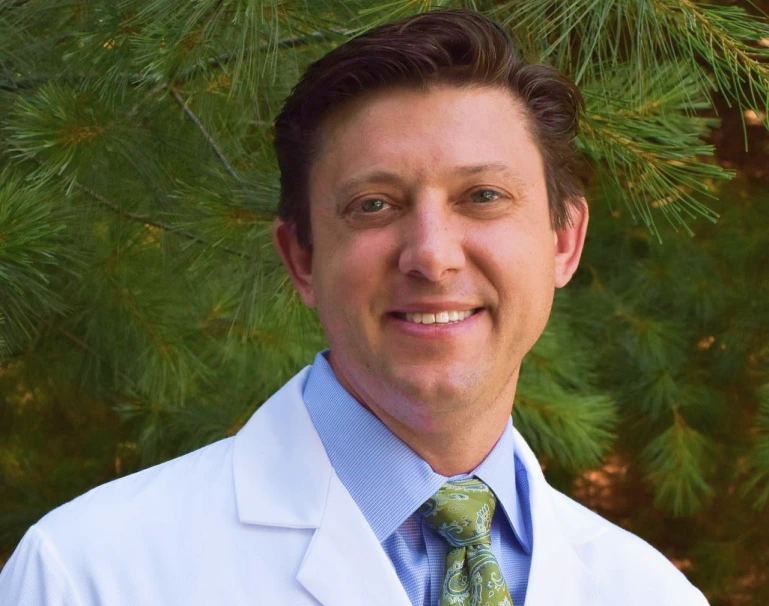
At our center, hair transplantation is performed by Dr. Ryan Welter, MD, PhD. Understanding these factors helps you prepare and reduces anxiety during recovery.
Common Side Effects
These are among the more common, generally temporary issues seen during early healing.
1) Swelling
Swelling can occur around the forehead and scalp after a transplant. It is typically temporary. Following post-procedure instructions (including activity limits and guidance on sleeping position) can help minimize it.
2) Redness and Irritation
Redness, tenderness, and a “sunburn-like” sensation can be part of normal recovery. The intensity and duration can vary depending on your skin type, technique, and how your scalp responds to healing.
3) Scabbing and Crust Formation
Small scabs and crusts form at the sites where grafts were placed and/or harvested. This is expected. The main safety issue here is avoiding picking, scraping, or aggressive washing that can dislodge healing grafts or irritate the skin.
4) Shock Loss (Temporary Hair Shedding)
Shock loss refers to the temporary shedding of hair in the treated area (and sometimes nearby areas). This can look alarming, but it is part of the normal timeline for most patients. It’s also a key reason why setting expectations is an important part of overall “safety” because anxiety-driven over-washing, picking, or unapproved product use can worsen irritation.
5) Infection
Infection is possible with any surgical procedure. Potential warning signs can include increasing pain, expanding redness, warmth, drainage, or fever. Any concern should be evaluated promptly by your treating clinic.
6) Scarring
All surgical harvesting creates some degree of scarring.
FUT tends to leave a linear scar in the donor area.
FUE tends to leave small dot-like scars spread throughout the donor region.
How noticeable scarring becomes depends on the technique, surgical skill, skin characteristics, healing tendencies, and hair styling preferences (for example, very short haircuts can make donor changes more visible).
7) Poor Graft Survival
Grafts are living follicles. If they’re not harvested, handled, and placed carefully – or if the scalp environment is compromised – graft survival can be reduced. Poor growth can lead to thin coverage and may require revision planning.
Factors that can affect graft survival include excessive manipulation, dehydration of grafts, prolonged procedure times without proper graft care, trauma during healing, and overly dense packing that compromises blood supply.
8) Unnatural Hairline Design
A transplant can “go wrong” cosmetically if the design doesn’t match your facial features, age, or hair-loss pattern – or if the graft angles/direction don’t mimic natural growth. A transplant does not stop ongoing hair thinning elsewhere. Long-term satisfaction often depends on a plan that anticipates future loss.
Donor depletion. If the donor is overharvested, it may limit future options and create visible thinning in the donor zone.
Need for revision hair restoration surgery. Some patients seek refinement for density, hairline shape, or scar-related concerns. Our center offers revision surgery, which can be part of addressing prior transplant issues.
About Medical Accountability
Patients may have limited protection or follow-up options if a clinic lacks appropriate medical accountability. Post-procedure care matters, especially if unusual swelling, persistent pain, or signs of infection occur.
Ask which parts are done by the surgeon and which parts (if any) are delegated.
Ask about medical oversight and emergency protocols. A legitimate medical setting should have clear safety processes.
Get a real medical consultation. A safe plan is individualized; “one-size-fits-all” graft numbers or hairline templates are red flags.
Be wary of unrealistic promises. Density, donor limits, and timeline are biological – no one can ethically guarantee a perfect outcome for everyone.
Choosing a Reliable Clinic
Safety begins with qualified medical care and a setting equipped to handle both routine recovery and unexpected issues. A clinic should be transparent about:
Who the treating surgeon is
What technique is recommended and why
How donor supply is evaluated and protected
What aftercare support looks like
If you’re exploring surgical options offered by our center, you can start with the main hair transplant overview. For example, understanding how long it takes can help you schedule rest and avoid rushing back into strenuous activity.
Avoiding Aggressive Graft Harvesting
One of the most important long-term safety concepts is donor preservation. A conservative harvesting plan helps reduce:
Visible donor thinning
Patchiness in the donor region
The need for complex revision strategies later
If you’re considering a higher graft count, it’s worth discussing lifetime donor management and long-term planning.
Who Should Avoid Hair Transplant Surgery?
Medical Contraindications and Unsuitable Candidates
Some people are not good candidates for hair transplantation, or may need medical issues addressed first. Our center also offers non-surgical hair growth options (for example, PRP), which may be discussed as part of an overall plan when appropriate. But the safest, most satisfying outcomes usually come from conservative planning, realistic density goals, and a strategy that anticipates future hair changes.
Patient Outcomes and Satisfaction
Satisfaction tends to be higher when patients understand:
The timeline: growth is gradual, and early shedding can be normal.
The limits: donor supply is finite and must be protected.
The maintenance: ongoing hair loss outside the transplanted areas may persist and require long-term planning.
The most effective way to protect your health and your results is to choose a licensed, surgeon-led practice, get a true medical evaluation, and follow post-procedure instructions closely – so you can make an informed decision.
Conclusion
A hair transplant can be a safe and life-changing procedure – but safety is never guaranteed by default. It’s earned through careful preparation, choosing the right surgeon, and being honest about your own health and expectations.
The risks are real, but for most healthy candidates, they are manageable and relatively rare when the procedure is performed by a qualified professional in a reputable clinic. The key is going in informed, not just hopeful.
If you’re seriously considering a hair transplant, use the information in this guide as a starting point – not a substitute for professional medical advice. Schedule consultations, ask hard questions, and take the time to make a decision you feel confident about. Your hair goals are valid; just make sure the path you choose to get there is the right one for you.
with New Hair ?