

In our clinic, NE Hair, the work begins with small, precise tools. As our Ryan Welter MD PhD says, “We use micro FUE punches with tiny diameters that give really nice grafts and let the donor heal well.“ These punches range from 0.65 to 0.75 millimeters, made for accuracy, not speed. After extraction, NE Hair treats the donor area with serums, peptides, PRP, and exosomes so it recovers strong and clean. The point is not to empty the donor. The point is to preserve it. The success of a hair transplant procedure depends on several factors, including the quality of donor grafts, the patient’s good health, and favorable characteristics such as thicker hair and low contrast between hair and scalp.
Implanting grafts is where the fork in the road begins. Years ago, Dr. Welter used “implanters” for everything. “Implanters are a one step incision and placement, and they work very well in the right setting.”
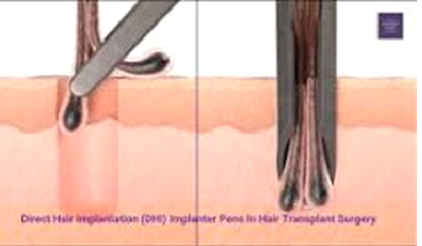
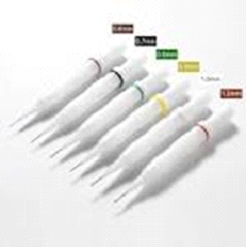
A graft is placed inside a needle-like tool. Dr. Welter punctures the skin and plants the hair in a single motion. This method is common in Europe and dominates Turkey. It is fast. It trains quick. It needs a small crew. As he notes, “In Turkey, it is all technicians doing the implanting, not a doctor.” That fact alone tells the story.
Speed, however, has a cost. Implanters often leave grafts sitting a little high. As he explains, “The epithelium tends to float on the skin a little bit.” Over time this can create a surface like a small cobblestoned field instead of a smooth scalp. If a man ever shaves his head, the texture stands out. He may feel the bumps under his fingertips, like raised pavers. Not painful, but not natural either.
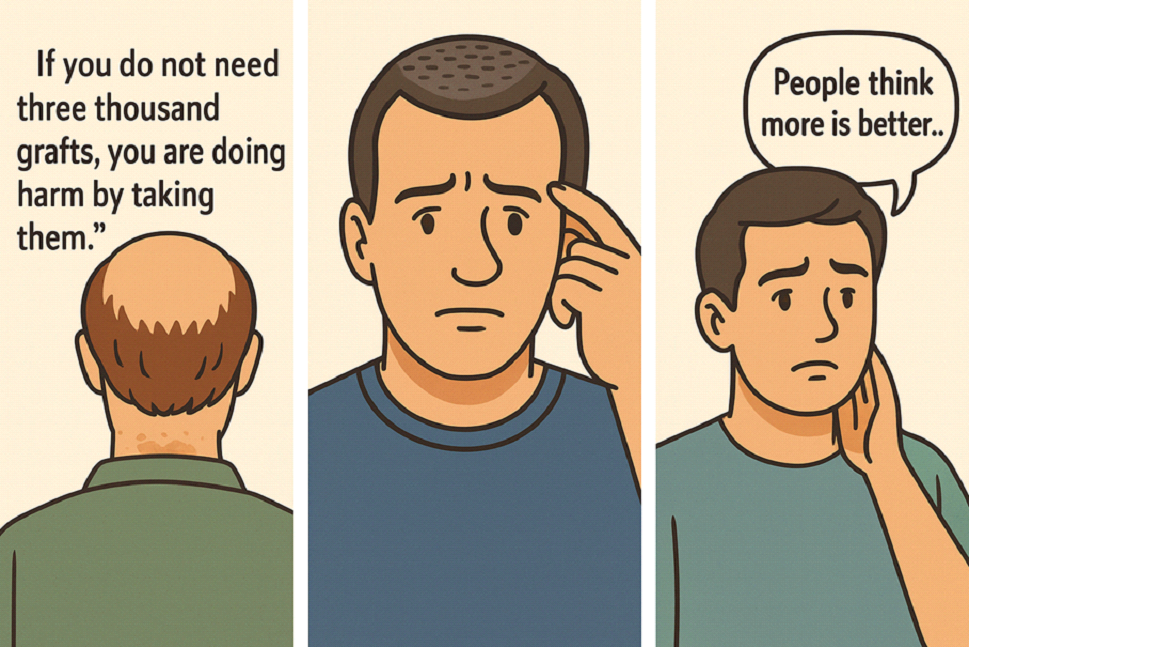
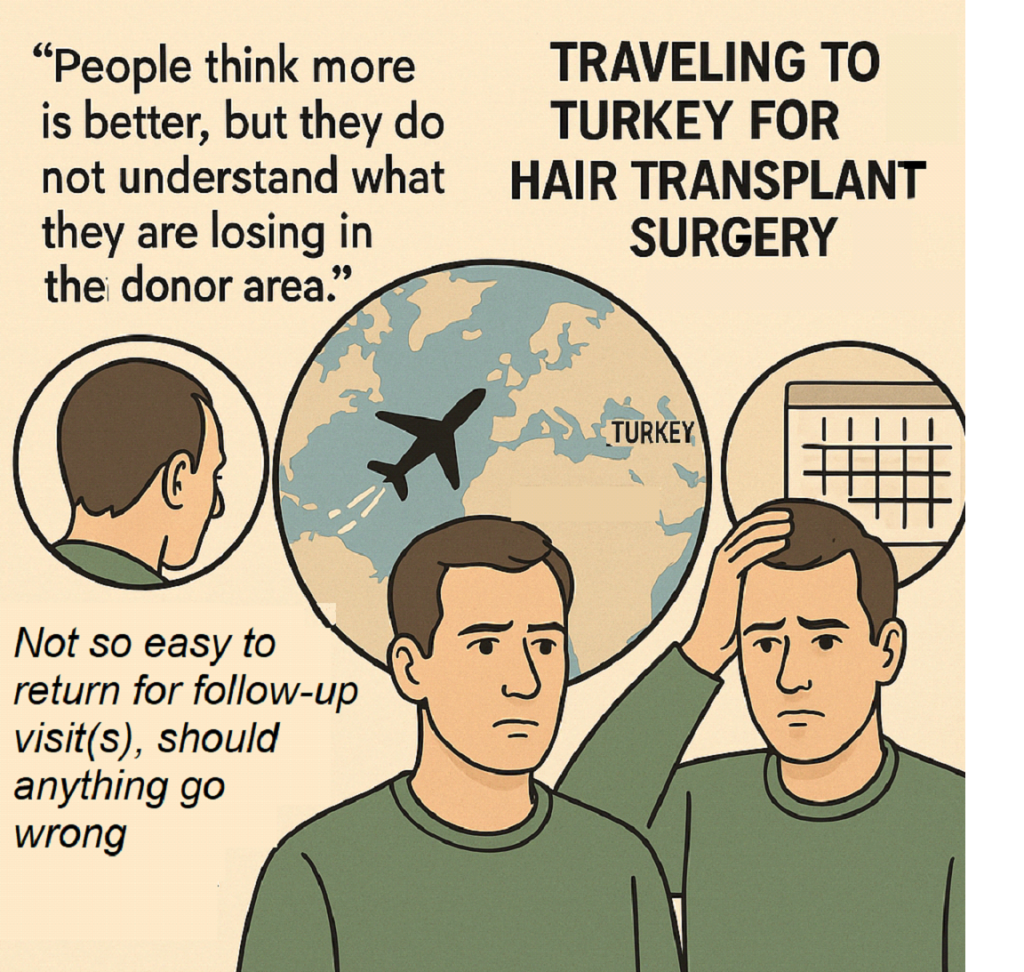
But hair is not something to bargain for. It is part of a man’s identity. It deserves careful hands, trained judgment, and the patience to do it right. That is our standard, and we keep it.
Introduction to Hair Restoration
Understanding Hair Loss
Follicular Unit Extraction
Follicular unit extraction, or FUE, is a modern hair restoration procedure that’s changed the way we approach hair transplants. In FUE, individual hair follicles are carefully removed from the donor site—usually the back of the head—using tiny, round punches. These follicles are then transplanted to the areas where new hair is needed.
What sets FUE apart is its minimally invasive nature. There’s no need for a long incision or stitches, just small, precise extractions that leave behind tiny dots instead of a noticeable scar. The result? A natural appearance, quicker recovery, and less discomfort. FUE is a popular choice for those who want new hair without the telltale signs of surgery, and it’s especially suited for patients who prefer to keep their hair short.
Follicular Unit Transplantation
Harvesting Methods
About the Author
with New Hair ?
February 19, 2026