
Is Hair Transplant Safe? Risks, Safety Factors, and Medical Considerations

Hair loss affects millions of people worldwide, and for many, a hair transplant feels like the most promising path to a lasting solution. But before booking a consultation, one question tends to rise above the rest: Is it actually safe?
The short answer is yes – when performed by a qualified surgeon under the right conditions, hair transplants are considered a low-risk, well-established procedure. However, like any medical intervention, they come with nuances worth understanding. From surgical technique and clinic standards to your own health profile, several factors influence just how safe the procedure will be for you specifically.
In this guide, we break down the real risks involved, what makes a hair transplant safer or riskier, and the key medical considerations you should discuss with your doctor before going under the needle.
FUE vs FUT Hair Transplant: Which Technique Is Right for You?
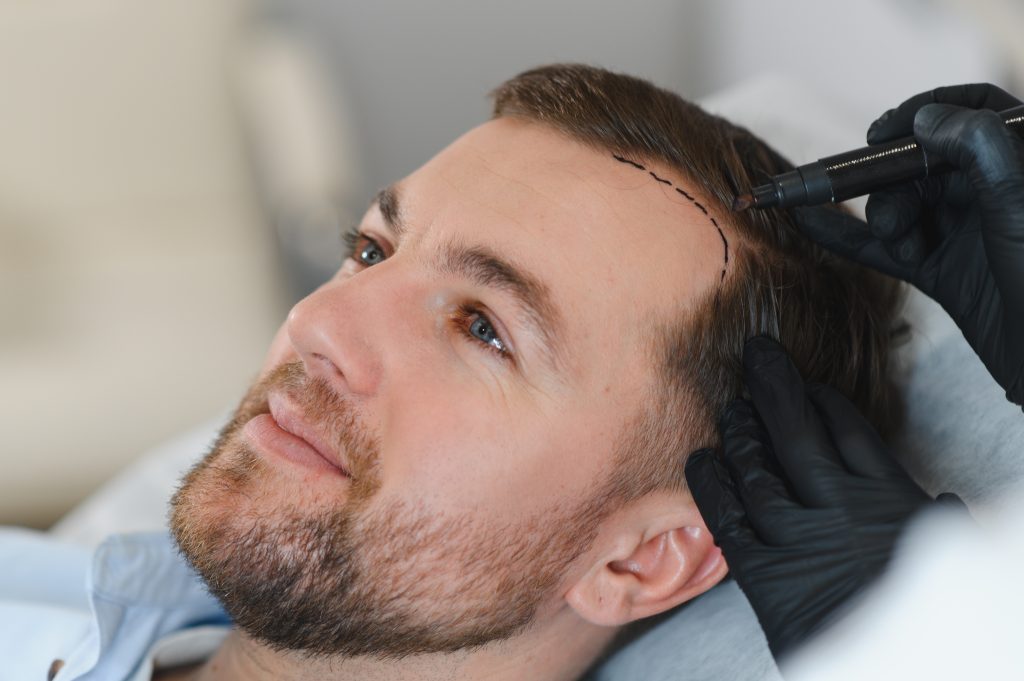
Choosing between hair restoration procedures can feel overwhelming, especially when the terminology seems complicated. Both FUE and FUT are proven, effective methods for restoring a full head of hair, but they are not interchangeable. For most people who want a quicker recovery, minimal visible scarring, and the flexibility to wear their hair short, FUE is often the better option. However, patients who need a large number of grafts in a single session or are working within a tighter budget often find that FUT delivers exceptional results at a lower overall cost. The right choice really depends on your hair goals, lifestyle, scalp anatomy, and how comfortable you are with the recovery process.
Talking Turkey About Hair Transplant

A man losing his hair will travel far for hope. Many now look toward Turkey, drawn by low prices and high graft numbers. The deal looks simple. More grafts for less money. But hair does not follow bargain rules. The scalp has limits and remembers every cut. When the work is careless, the damage stays for life.
Hair replacement surgery includes various surgeries such as hair transplantation, scalp reduction, and flap surgery, all aimed at restoring hair to bald areas.
What to Expect During Your Hair Transplant Recovery Timeline?

If you’re considering a hair transplant, understanding the recovery timeline is crucial for setting realistic expectations. The complete healing process typically takes 12-18 months from procedure to final visible results, though most daily activities can resume within 7-10 days. The journey involves distinct phases: immediate post-operative care (days 1-7), scab formation and shedding (weeks 2-3), a “shock loss” period where transplanted hairs fall out (weeks 2-4), a dormant phase (months 2-4), and finally the growth phase where new hair emerges and gradually thickens over the following year.
What to Know Before Your First Hair Transplant? A Pre-Op Checklist
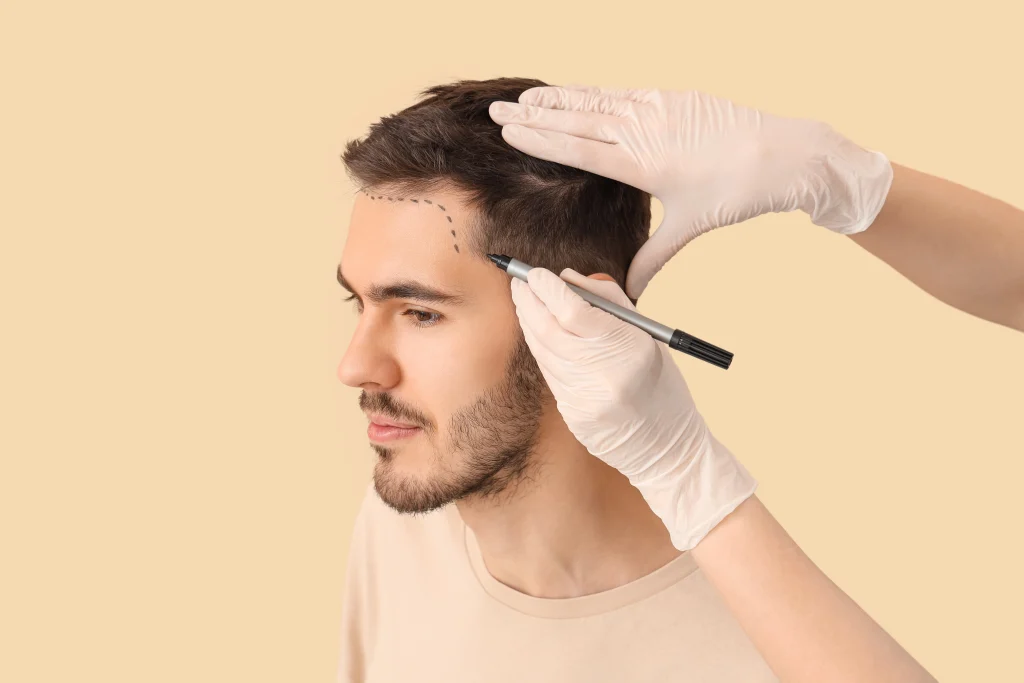
Preparing for your first hair transplant requires careful attention to both medical and lifestyle factors in the weeks leading up to your procedure. Success depends on choosing a qualified surgeon, understanding the transplant method that’s right for you, following pre-operative instructions about medications and substances to avoid, and setting realistic expectations about recovery time and results. The more prepared you are physically and mentally, the better your outcome will be and the smoother your recovery process.
How Long Do Hair Transplants Take?

If you are considering a hair transplant, one of the first questions that likely comes to mind is how long the procedure actually takes. In most cases, hair transplant surgery lasts between 4 and 8 hours, depending on the size of the area being treated and the specific technique used.
How Long Do Hair Transplants Last?

Hair transplants are designed to be permanent. The transplanted hair follicles are resistant to balding, and once relocated to thinning or bald areas, they typically remain healthy and grow for a lifetime. While results can last for decades, additional treatments may be necessary if the natural hair around the transplant continues to thin over time.
How Much Does Hair Transplant Cost?

If you’re asking, “How much does a hair transplant cost?” the typical price range at a reputable hair restoration clinic in the United States is $4,000 to $15,000+, with the final cost depending on the number of grafts needed, the technique used, and your unique goals. This article explains exactly what goes into these costs, how pricing is structured, and what to consider as you decide if a hair transplant is right for you.
How Does Hair Transplant Work?

A hair transplant moves hair-producing follicles from a donor area (typically the back or sides of your scalp) to areas affected by thinning or baldness. These transplanted follicles retain their resistance to hair loss and continue growing in their new location, resulting in natural, permanent hair restoration.
Eye Swelling After Hair Transplant

As men and women age, many notice a loss of hair volume or a receding hairline. While most people are unhappy with the results of hair loss, the good news