Traction Alopecia Treatment
in Boston, MA

Our hair restoration center specializes in traction alopecia treatment in Boston, MA, for people ready to stop tension-related hair loss and reclaim a fuller hairline. We build a personalized plan around your follicles, styling history, and goals so you can move forward with stronger hair, a healthier scalp, and renewed confidence.

Traction Alopecia Treatment

in Boston, MA

Our hair restoration center specializes in traction alopecia treatment in Boston, MA, for people ready to stop tension-related hair loss and reclaim a fuller hairline. We build a personalized plan around your follicles, styling history, and goals so you can move forward with stronger hair, a healthier scalp, and renewed confidence.
Back of man's head showing hair loss and visible scalp from traction alopecia

What Is Traction Alopecia?

Traction alopecia is hair loss caused by repeated or prolonged tension on the follicles. Braids, weaves, extensions, dreadlocks, tight ponytails, buns, headwraps, and certain religious or professional styles can place chronic pull along the hairline, temples, edges, part lines, crown, and nape.
Early on, follicles may still be alive but stressed. With enough time and force, they can scar and stop producing hair. Treatment is a staged plan – not a single injection or one-size product – to remove the source of tension, calm inflammation, support follicles that can still recover, and restore density where loss has become permanent.
Woman examining her scalp with both hands, illustrating hair and scalp concerns

Preparation for Traction Alopecia Treatment

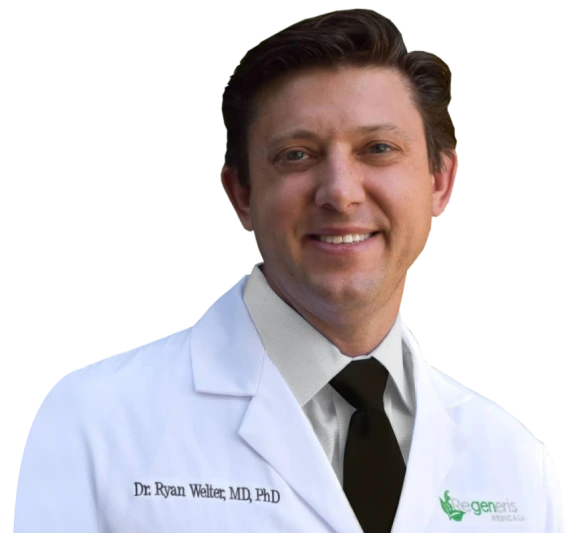
Your journey begins with a personalized consultation with Dr. Ryan Welter or one of our hair restoration specialists. This first visit is a working session: a close look at the hairline, temples, parts, and any area under tension, plus a review of medical history, styling history, prior treatments, hair loss pattern, and what you want your hair to do in daily life.
  • Photos of how you wear your hair now and how you wore it in the past – images from several years ago help us see how far recession has traveled
  • A list of products, supplements, and any earlier PRP, transplant, or topical use

  • Any big event on the calendar so we can be honest about timing

Our team decides whether the priority is rescue, regeneration, transplantation, or a sequence of all three. You will receive a detailed explanation of the recommended plan, including preparations, such as avoiding certain hair products or medications before your procedure.
You will leave knowing which areas still have a chance to thicken on their own, which areas likely need grafts, and what you should change about styling before the first procedure day. Pricing is calculated at this visit so the plan matches both your anatomy and your budget.

What to Expect From Traction Alopecia Treatment

The day itself depends on the path you chose in consultation. Sessions are outpatient and typically performed in-office. You remain awake, and our team explains each step as it happens. Regenerative visits are minimally invasive and designed for your comfort.

In-Office Regenerative Sessions

Treatment sessions typically range from 60 to 90 minutes, depending on the procedure and the size of the area being treated. ALMI and SVF visits are typically measured in hours, not a full surgical day.
If grafting is indicated, donor hair is taken from a stable area – usually the back or sides of the scalp – and placed into traction-damaged sites with attention to the original hairline shape, curl, and direction.
MicroFUE and long-hair FUE allow many patients to return to public life with less obvious downtime. The goal is a hairline that looks like it grew there.
Man examining his hairline in mirror, touching the crown area

Recovery After Traction Alopecia Treatment

Downtime is usually modest after regenerative visits. You may notice mild soreness, redness, swelling, tenderness, or pinpoint marks, which typically subside within a few days. Most people return to desk work the same day or the next and can resume normal activities almost immediately.

We will provide specific aftercare instructions, including:

  • When you can wash, including gentle hair washing techniques
  • When you can exercise and wear hats
  • Avoiding direct sun exposure
  • Refraining from certain hair products for a short period
  • When braids, weaves, or tight styles must stay off the treated zones

Transplant recovery is more structured. Expect small scabs in the recipient area, temporary tightness, and a written care list for sleeping position, washing, and activity. Donor and recipient sites need a rest from tension while grafts set. We schedule follow-up so nothing is left to guesswork. If something feels off between visits, call the office rather than waiting.

Results Timeline

Traction-related recovery is gradual. Follicles that are still viable often need months, not days, to thicken. A series of treatments is commonly recommended.

Typical regenerative timeline:

  • 2–3 months: Improvements in hair texture and a reduction in shedding
  • 4–6 months: Visible new hair growth
  • 9–12 months: Optimal results as follicles are progressively revitalized
If you have a transplant, transplanted hairs typically shed before they re-enter a growth cycle. Visible new hair builds over subsequent months, with a higher density later in the first year.
Your timeline will be written into your plan, so you know what “on track” looks like at each check-in. Results vary by how long the tension lasted, whether scarring is present, and how closely aftercare is followed.
Person with visible hair loss and thinning along the scalp, demonstrating traction alopecia

Ideal Candidate for Traction Alopecia Treatment

You may be a strong candidate if hair has receded or thinned at the edges, temples, hairline, part, crown, or nape after prolonged tension, and you are willing to protect those areas while they heal.

Our treatments are designed for:

  • People who still have miniaturized hairs in the thinning zone (often do well with regenerative and medical support)

  • People with smooth, long-standing bald patches in pull zones (more often guided toward transplantation or a blend of surgery and supportive care)

  • Anyone who regularly wears tight hairstyles, has recently stopped such styles, or is noticing early signs of traction alopecia

Candidates should generally be in good overall health, able to follow aftercare, and have realistic expectations. A consultation with our specialists in Boston, MA, is the only way to choose the most effective treatment for your needs.

Man's scalp and hairline after hair loss treatment, closeup view

Benefits of Traction Alopecia Treatment

  • Stimulates natural hair growth by harnessing your body’s regenerative capabilities

  • Restores hair density along the frame of the face

  • Non-surgical options available that avoid incisions, scarring, and longer surgical recovery when follicles can still recover

  • Improved scalp health by addressing underlying follicle damage

  • Fewer broken strands and more styling flexibility, with softer, more secure hair

  • A medical plan instead of guesswork, so you are not left blaming yourself for a style you wore

  • Personalized care tailored to your unique hair loss pattern and aesthetic goals

  • Boosts confidence by helping you keep the looks you love without sacrificing the hair that makes them possible

Cost of Traction Alopecia Treatment in Boston, MA

The cost of traction alopecia treatment in Boston, MA, can range from $1,500 to $5,000 per session, depending on whether you need a series of regenerative sessions, a transplant, or both.

Pricing varies by:

  • The specific techniques used

  • The size, condition, and extent of the treated areas

  • The number of sessions required

  • The provider and the severity of hair loss

  • Your individual treatment plan

Hair restoration is not covered by insurance. We understand that investing in hair restoration is a significant decision. For a personalized quote and to discuss financing options, including convenient plans through CareCredit®, schedule a consultation at our Boston center.

What Makes Us Different From Others?

Dr. Welter is known for pioneering microFUE™ and for advancing cellular therapies in hair restoration, including ALMI fat transfer developed for use in the scalp. Our Boston clinic offers an unparalleled blend of expertise and cutting-edge technology.

Care is personalized, technology is up to date, and the standard is a result that looks like you on your best day.
Call 1-888-781-1045

Dr. Ryan Welter Banner

Frequently Asked Questions

Is traction alopecia treatment painful?

Most patients report minimal discomfort. We use local anesthesia to ensure your comfort. Regenerative sessions involve injections; transplant days add local anesthesia and a longer visit. Most patients report mild pressure or brief stinging rather than lasting pain. Post-treatment soreness is usually mild and manageable with over-the-counter pain relievers.
Early intervention is key. If follicles are stressed but not destroyed, a break from tension plus regenerative or medical support may thicken the area – and significant improvement or complete reversal is often possible. If the skin is smooth and the follicles are gone or permanently scarred, hair will not grow back on its own; transplantation is the usual way to put hair back in that spot. Only an in-person exam can tell which situation you have.
The number of sessions required varies by individual, the severity of hair loss, and the chosen treatment method. A personalized treatment plan, including the recommended number of sessions, will be discussed during your consultation.
Traction alopecia is primarily caused by hairstyles that pull tightly on the hair follicles, such as tight braids, dreadlocks, weaves, extensions, high ponytails, buns, headwraps, and certain religious or professional styles. Repeated and prolonged tension eventually damages the follicles, leading to hair loss.
Not necessarily. Many patients keep protective or polished styles with looser tension, more recovery time between installs, and a different placement of clips or bonds. We design those rules around your treatment so you are not asked to abandon your identity in order to heal.
No. Genetic pattern loss follows a hereditary map. Traction follows the path of pull. The two can appear together, which is why we evaluate both before we treat. Mixing them up leads to the wrong procedure and a disappointing result.

Ready to Take the Next Step?

Call our clinic at 1-888-781-1045. Tell us that you are seeking treatment for traction alopecia so we can prepare the appropriate evaluation. Financing options, including CareCredit®, are offered to make care more accessible; we will walk through them when we build your quote.

Name